Professional Residential Electrician for Secure and Streamlined Solutions
A capable residential electrician assumes an indispensable role in sustaining the safety and efficiency of electrical systems in residences. These knowledgeable experts are trained to handle installations, repairs, and upgrades, upholding compliance with safety standards and area codes. Standard problems, like wavering light or faulty circuits, often call for specialized attention. Understanding the nature of their services raises significant questions about protection, consistency, and overall well-being of a home's electrical infrastructure. What should property dwellers think about before hiring on?
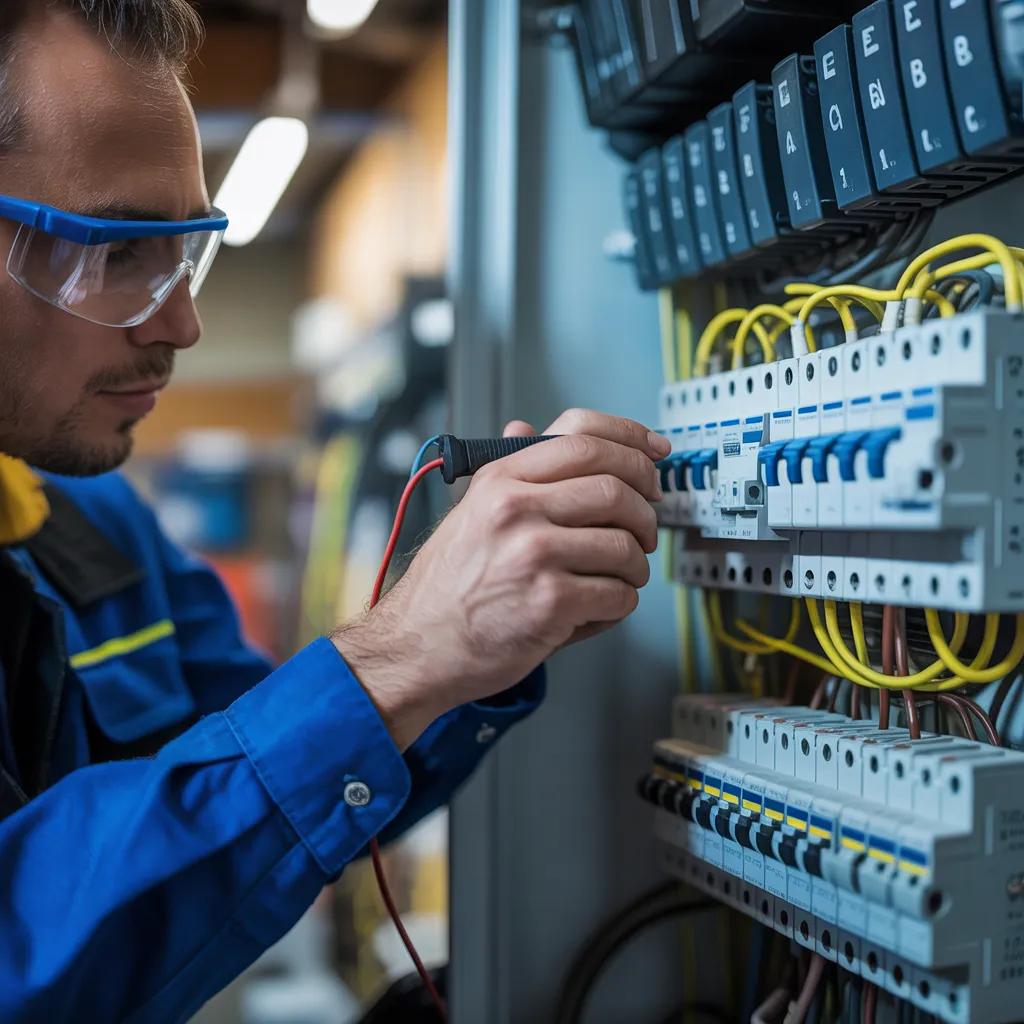
What Does a Home Electrician Actually Do?
A residential electrician specializes in the setup, upkeep, and fixing of electrical systems within homes. Their key duties include wiring, circuit installation, and the setup of lighting fixtures. They also identify and resolve electrical issues, guaranteeing that systems function efficiently and safely.
Beyond these tasks, residential electricians carry out routine inspections to discover potential threats and ensure compliance with relevant codes. They frequently modernize existing systems to support new appliances or technology, thereby improving a home's capability.
In addition, they present valuable consultative support, advising homeowners on efficient energy alternatives and pioneering electrical concepts. A residential electrician also engages with other contractors during home renovations or new building projects, verifying that electrical work merges seamlessly with other elements of the project. By harnessing precision instruments and upholding industry standards, they occupy an essential role in maintaining a dependable and secure electrical environment in residential settings.
Safety Standards in Electrical Installations: Key Facts for Homeowners
In what ways can homeowners assure their electrical systems keep protected and in compliance? Knowing safety protocols is necessary. Electrical codes, like the National Electrical Code (NEC), function as a reference for protective installations and approaches. Property owners ought to verify their setups satisfy these guidelines to lower potential dangers of electrical fires and shocks.
Regular evaluations by a licensed electrician can help uncover potential problems. Electricians are versed to follow local ordinances and enforce safety measures. Homeowners should also be aware of proper load capacities to eliminate overload, which can lead to overheating.
Moreover, incorporating compliant supplies and components is paramount for protecting security. Homeowners must concentrate on the deployment of GFCI outlets in humid environments and ascertain smoke detectors are active. By staying knowledgeable and proactive about electrical safety standards, homeowners can greatly minimize risks and establish a safe household environment.
Standard Electrical Concerns and How Professionals Manage Them
Homeowners typically encounter various wiring problems that can pose risks to safe operation and performance. Typical issues feature lights that flicker, circuit breaker trips, and non-functioning outlets. These problems can stem from old-fashioned electrical systems, circuits carrying too much load, or defective devices.
Another common issue is power spikes, which can harm devices and appliances. GFCIs (GFCIs) may also fail, creating dangers in damp spaces like kitchens and bathrooms.
Experts diagnose these concerns by performing comprehensive assessments, inspecting wiring integrity, and analyzing the load on circuits. They use specialized tools to detect hidden problems and confirm adherence with safety requirements.
How to Tackle Typical Electrical Problems With Expert Assistance
Electrical problems frequently demand professional electrician knowledge to handle. Lights that flicker, circuit breakers that trip frequently, and outlet malfunctions are typical problems that can indicate underlying electrical faults. A certified electrician guarantees these issues are identified accurately and resolved safely.
Flickering Lights Solutions providing experienced fixes
Flickering lights can affect the comfort of any home, signaling potential electrical troubles that require immediate attention. This usual problem often highlights loose connections, faulty switches, or inadequate wattage. Homeowners should first check if the flickering takes place with specific bulbs or throughout the entire house. If it is isolated, installing a new bulb may solve the issue. However, persistent flickering calls for consultation with a professional residential electrician, who can accurately diagnose and rectify underlying problems. A qualified electrician will inspect wiring, assess circuit loads, and guarantee all connections are secure. Addressing flickering lights promptly not only regains peace but also improves safety, preventing possible hazards like electrical fires. Professional intervention provides peace of mind and long-term solutions.
What Causes Your Circuit Breaker to Trip
Persistent circuit breaker tripping can indicate underlying electrical issues that may pose safety risks. Common causes include circuits with excessive load, where too many devices draw power from a single source, leading to overheating and tripping. Additionally, short circuits can occur when wires become compromised or frayed, creating a direct path for electricity that skips normal resistance. Grounding faults, which happen when a live wire touches a grounded surface, are also concerning. Finally, aging circuit breakers may fail to function properly due to wear and tear. Identifying these problems is essential; engaging a qualified home electrical specialist to diagnose and resolve these problems ensures safety and efficiency in the home's electrical system.
Outlet Problem Resolution
Recognizing the possible challenges linked with circuit breakers naturally emphasizes the content need to troubleshoot outlet malfunctions. Outlet difficulties can show up as flickering lights, non-functioning devices, or unusual sounds emanating from the outlet itself. These symptoms frequently indicate underlying electrical issues that call for professional evaluation. A qualified electrician will start by examining the circuit for overloads, loose connections, or damaged wiring. They might also check for proper grounding and voltage levels to assure safety. Promptly addressing these malfunctions is vital, as ignoring them can result in more serious hazards, including electrical fires. By depending on a professional, homeowners can ensure their electrical systems function efficiently and safely, safeguarding both their property and peace of mind.
Why Select an Specialist for Electrical Upgrades?
Upgrading electrical systems can greatly enhance a home's safety and efficiency, making professional help necessary. Homeowners often overlook the intricacies of electrical upgrades, which can lead to costly mistakes or dangerous conditions. Professional electricians have the required expertise and knowledge to navigate local codes and regulations, ensuring that upgrades are compliant and safe.
Also, experts can review a home's specific electrical needs, advising customized solutions that improve output and energy management. They are furnished with the proper tools and know-how to address likely complications, such as aging wiring systems or limited load capacity. This expertise not only minimizes risks but also strengthens the longevity and reliability of the power supply.
In the end, engaging a skilled electrical professional for enhancements not only protects a home but also gives peace of mind, understanding that the work is correctly and efficiently executed, thereby boosting the value in the property.
Getting Ready for Your Electrical Evaluation?
During an electrical inspection, residents should anticipate a detailed review developed from a common checklist that highlights key components of their system. Inspectors will assess adherence to safety standards to guarantee the power installation is both efficient and secure. Comprehending these guidelines helps homeowners prepare for a fruitful inspection visit.
Typical Inspection Checklist Items
A thorough electrical assessment typically includes multiple important inspection points that ensure safety and compliance with regulations. Inspectors often start by examining the service panel for correct grounding and tight links. They examine electrical wiring for any indicators of wear, damage, or incorrect installation. Breakers and fuses are evaluated to confirm they are functioning correctly and adequately sized for the load. Additionally, receptacles and electrical switches are inspected to verify they are grounded and without defects. Smoke alarms and CO detectors are additionally checked for correct functioning. Finally, the examiner examines any alterations or upgrades to the wiring system to determine they adhere to local codes and regulations, ensuring the complete safety of the home's electrical systems.
Safety Standards Compliance Overview
After completing a detailed assessment checklist, comprehending safety standards compliance is essential for homeowners. Adherence to electrical safety requirements guarantees that installations satisfy both federal and local codes, reducing risks associated with electrical dangers. Homeowners can expect the electrician to verify correct grounding, circuit integrity, and the use of certified materials. Additionally, adherence to the National Electrical Code (NEC) is vital, as it outlines the minimum safety requirements for electrical systems. Throughout the inspection process, electricians will evaluate the functionality of smoke detectors and carbon monoxide alarms, verifying they operate correctly. By emphasizing safety requirements, property owners not only safeguard their home but also safeguard the well-being of their families. Ultimately, adherence fosters confidence in electrical services and promotes long-term safety.
Tips to Decide on the Correct Electrical Expert for Your Home
Finding the ideal electrical contractor for your home can feel daunting—what factors should one think about? First, confirming credentials is vital. A licensed electrician indicates that they have achieved the required training and standards. Homeowners should also look into insurance, as this guards against unforeseen risks during the task.
Experience constitutes another primary aspect; professionals with a solid track record are often more experienced at coping with various issues. Studying critiques and obtaining referrals can present understanding into their trustworthiness and performance of work.
Additionally, obtaining several estimates allows homeowners evaluate pricing and services, ensuring they receive a fair deal. Communication skills are just as crucial; an electrician should be able to explain issues and solutions in a straightforward manner.
Finally, evaluating their familiarity with local regulations and codes can prevent future issues. By thoughtfully weighing these elements, homeowners can reach an informed choice, ultimately ensuring security and effectiveness in their electrical projects.
Popular Inquiries Asked Often
How Much Will You Pay to Hire a Residential Electrician?
The expense to engage a residential electrician typically varies from $50 to $100 per hour, depending on location and difficulty of the project. Extra charges may apply for components and urgent services, impacting the overall cost.
What duration Should You Expect for an Electrical Project?
An electrical undertaking usually takes a few hours to several days, depending on its scope and complexity. Simple repairs may need minimal time, while larger installations or renovations can extend the duration considerably.
What Qualities Should I Consider in an Electrician?
When searching for an electrician, one should prioritize qualifications such as valid licenses, insurance, applicable expertise, and positive customer reviews. Additionally, certifications in specific fields can enhance their credibility and guarantee superior craftsmanship.
Is Urgent Electric Support Accessible?
Emergency electrical assistance are indeed available. Many electrical professionals provide 24/7 support for urgent issues, ensuring quick turnaround and solutions to restore security and operation. Homeowners should confirm accessibility and response times before emergencies arise.
Can I Undertake Electrical Projects Myself in a Legal Way?
In many jurisdictions, people are permitted to lawfully undertake electrical work on their own properties, but regulations change. It's important to examine local codes and safety standards to ensure compliance and prevent potential hazards or fines.